
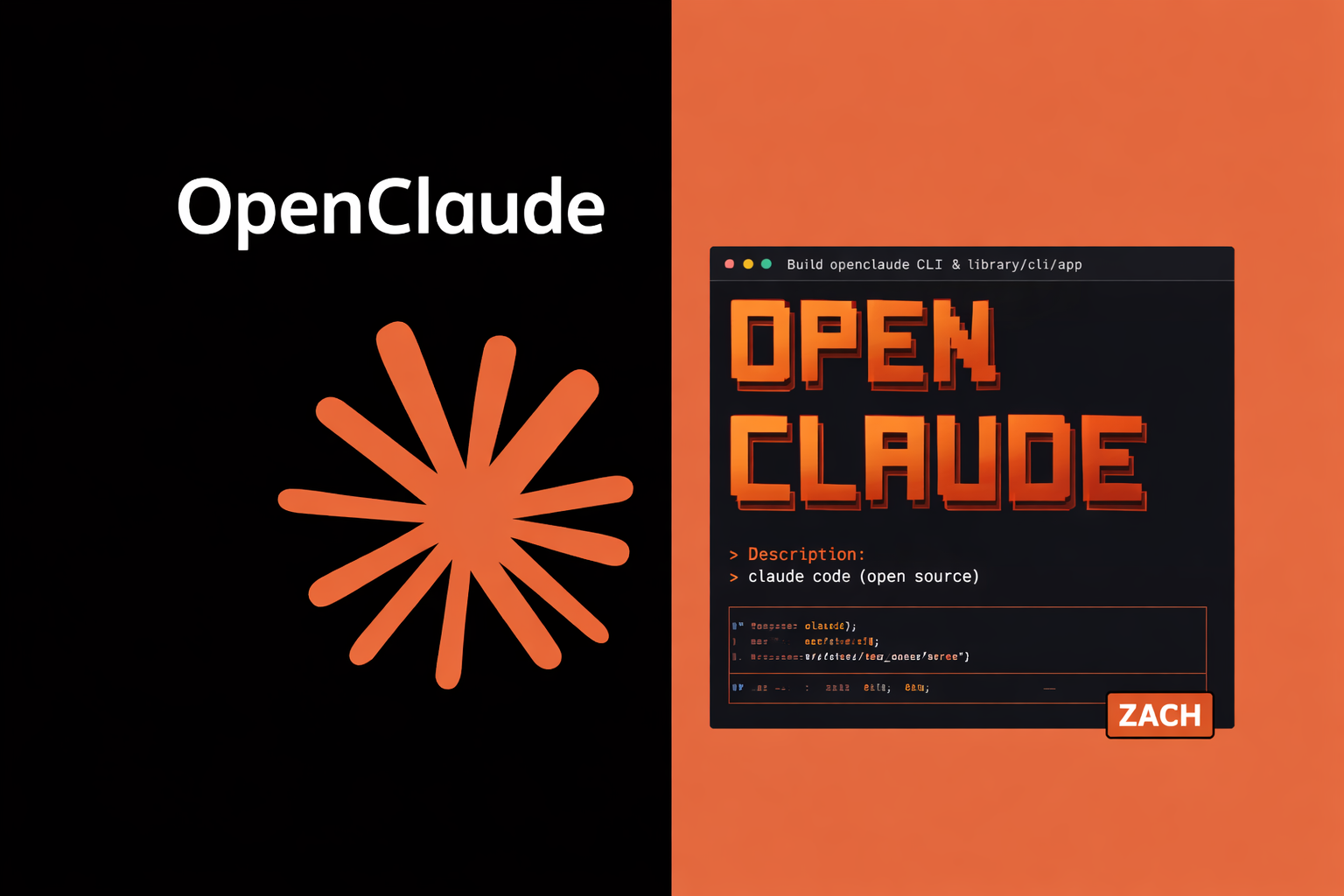
The landscape of AI-assisted coding has expanded significantly in recent months, with multiple platforms competing to streamline developer workflows and accelerate software development cycles. Among these tools, Claude Code and OpenClaude have emerged as notable contenders, each offering distinct approaches to integrating artificial intelligence into the coding process. Understanding the differences between these platforms is essential for developers and organizations looking to optimize their development environments and maximize productivity gains.
Understanding Claude Code
Claude Code represents Anthropic's integrated approach to bringing their Claude AI model into coding environments. Rather than existing as a standalone application, Claude Code functions as an extension and API integration that allows developers to leverage Claude's capabilities directly within their existing development workflows. The platform is designed with a focus on code generation, debugging, and architectural assistance, positioning itself as a comprehensive AI coding companion.
The Claude Code approach emphasizes natural language understanding and contextual awareness. When developers describe what they want to accomplish in conversational language, Claude attempts to understand the intent and generate relevant code suggestions. This methodology has proven particularly effective for developers working across multiple programming languages, as Claude maintains broad knowledge across the entire spectrum of modern development frameworks and languages.
- Integration Method: API-based and extension-compatible with major IDEs
- Primary Focus: Code generation, explanation, and architectural guidance
- Language Support: Comprehensive support across 50+ programming languages
- Accessibility: Available through multiple channels including web interface and IDE plugins
- Cost Model: Subscription-based with usage-based pricing tiers
One significant advantage of Claude Code lies in its ability to maintain context across longer conversations. Developers can engage in extended dialogue with the AI, asking follow-up questions and requesting refinements without losing the thread of the original request. This conversational capability reduces friction in the development process and enables more iterative improvement of code solutions.
Exploring OpenClaude and Its Positioning
OpenClaude represents a different philosophical approach to AI-assisted development. Rather than a centralized, proprietary service, OpenClaude emphasizes openness and customizability. The platform focuses on making Claude's capabilities more accessible to organizations that prefer self-hosted solutions or require greater control over their AI infrastructure and data handling.
OpenClaude's positioning suggests a strong emphasis on privacy and security considerations. For enterprises with strict data governance requirements or concerns about sending proprietary code to external servers, OpenClaude offers deployment options that keep sensitive information within organizational boundaries. This distinction has particular relevance for companies in regulated industries or those handling confidential intellectual property.
- Integration Method: Self-hosted or on-premise deployment options
- Primary Focus: Code generation with emphasis on data privacy
- Customization: Greater flexibility in model fine-tuning and adaptation
- Deployment: Available for both cloud and local infrastructure
- Community: Open-source components with active community contribution model
The open-source orientation of OpenClaude appeals to organizations that want to understand how their AI tools function at a fundamental level. Rather than treating the AI model as a black box, developers and engineering teams can inspect, audit, and potentially modify the underlying mechanisms. This transparency builds trust and allows organizations to ensure that the tool operates according to their specific standards and requirements.
Key Differences and Technical Distinctions
Deployment Architecture: The most fundamental difference between these platforms lies in their deployment models. Claude Code operates as a hosted service, meaning Anthropic maintains the infrastructure and handles model updates centrally. OpenClaude allows organizations to deploy the technology on their own servers, providing greater autonomy but requiring more operational expertise and maintenance responsibility.
Data Handling and Privacy: Claude Code processes requests through Anthropic's servers, which creates potential concerns for organizations subject to strict data residency requirements or those handling highly sensitive code. While Anthropic maintains strong privacy practices, some enterprises prefer the guaranteed data isolation that comes with OpenClaude's self-hosted deployment options. This distinction becomes particularly important for companies in finance, healthcare, government, or other regulated sectors.
Customization and Fine-Tuning: OpenClaude's open architecture permits organizations to fine-tune models on proprietary codebases, allowing the AI to develop specialized knowledge about internal coding standards, architectural patterns, and domain-specific languages. Claude Code, as a managed service, offers less flexibility in this regard, though Anthropic continues expanding customization options through their API offerings.
Update Cycles and Control: Claude Code receives updates from Anthropic on a schedule determined by the company's release timeline. Organizations using OpenClaude maintain control over when and whether to adopt new versions, allowing them to test thoroughly before deployment and avoid disruption from unexpected changes.
The choice between Claude Code and OpenClaude ultimately reflects an organization's priorities regarding control, privacy, scalability, and operational complexity. Neither approach is universally superior; rather, each serves different organizational needs and constraints.
Ecosystem Integration: Claude Code benefits from deeper integration with existing development tools and services. The hosted model enables seamless connection with GitHub, GitLab, and other platforms through OAuth and standard web APIs. OpenClaude requires more manual configuration for such integrations, though this flexibility allows organizations to connect whatever tools fit their existing technology stack.
Practical Considerations for Selection
Organizations evaluating these platforms should consider several practical factors beyond the technical specifications. Budget constraints, existing infrastructure investments, team expertise, and organizational risk tolerance all influence the optimal choice.
For startups and small teams prioritizing speed to market and minimal operational overhead, Claude Code's hosted service model eliminates infrastructure management concerns. Teams can begin leveraging AI-assisted coding immediately without setting up servers or managing updates. The straightforward subscription model makes budgeting predictable and straightforward.
Enterprise organizations with mature DevOps practices, dedicated infrastructure teams, and stringent security requirements often find OpenClaude's self-hosted model more aligned with their operational philosophy. The ability to maintain code and model data within corporate networks addresses compliance concerns while enabling architectural integration with existing systems.
Mid-sized organizations often find themselves navigating the spectrum between these two approaches. Some choose Claude Code for initial exploration and proof-of-concept work, later evaluating OpenClaude for production deployments handling sensitive intellectual property. Others adopt a hybrid approach, using Claude Code for general assistance while deploying OpenClaude for specialized tasks requiring data isolation.
Performance characteristics also merit consideration. Claude Code's hosted infrastructure benefits from continuous optimization and can handle variable loads efficiently. OpenClaude's performance depends on the hosting environment where organizations deploy it, requiring adequate compute resources and proper configuration to achieve comparable response times.
The cost structures differ significantly in practice. Claude Code's subscription model provides predictable expenses but can become expensive for organizations with heavy usage patterns. OpenClaude's open-source foundation eliminates per-use licensing costs but requires accounting for infrastructure expenses, maintenance overhead, and staff time dedicated to system administration and updates.
Community support and documentation represent another important factor. Claude Code benefits from Anthropic's professional support channels and comprehensive documentation from a well-resourced company. OpenClaude, while supported by an active open-source community, relies more heavily on community-contributed documentation and peer support mechanisms.
The AI-assisted coding market continues evolving rapidly, with both Claude Code and OpenClaude advancing their capabilities regularly. When making selection decisions, organizations should evaluate not just current functionality but also the trajectory of each platform's development. Anthropic's substantial investment in Claude research suggests continued enhancements to Claude Code, while OpenClaude's community-driven model may produce innovations that reflect diverse user needs and use cases.
Neither Claude Code nor OpenClaude represents a definitively superior choice for all organizations. The decision depends on aligning the tool's characteristics with specific organizational requirements, constraints, and strategic priorities. Claude Code excels for teams valuing convenience, rapid deployment, and managed infrastructure. OpenClaude serves organizations prioritizing data sovereignty, customization, and operational control. As AI-assisted development becomes increasingly central to software engineering practices, selecting the platform that best matches your organization's unique circumstances ensures maximum value and sustainable productivity gains in your development operations.
```

💬 0 Comments
+ Leave a comment