
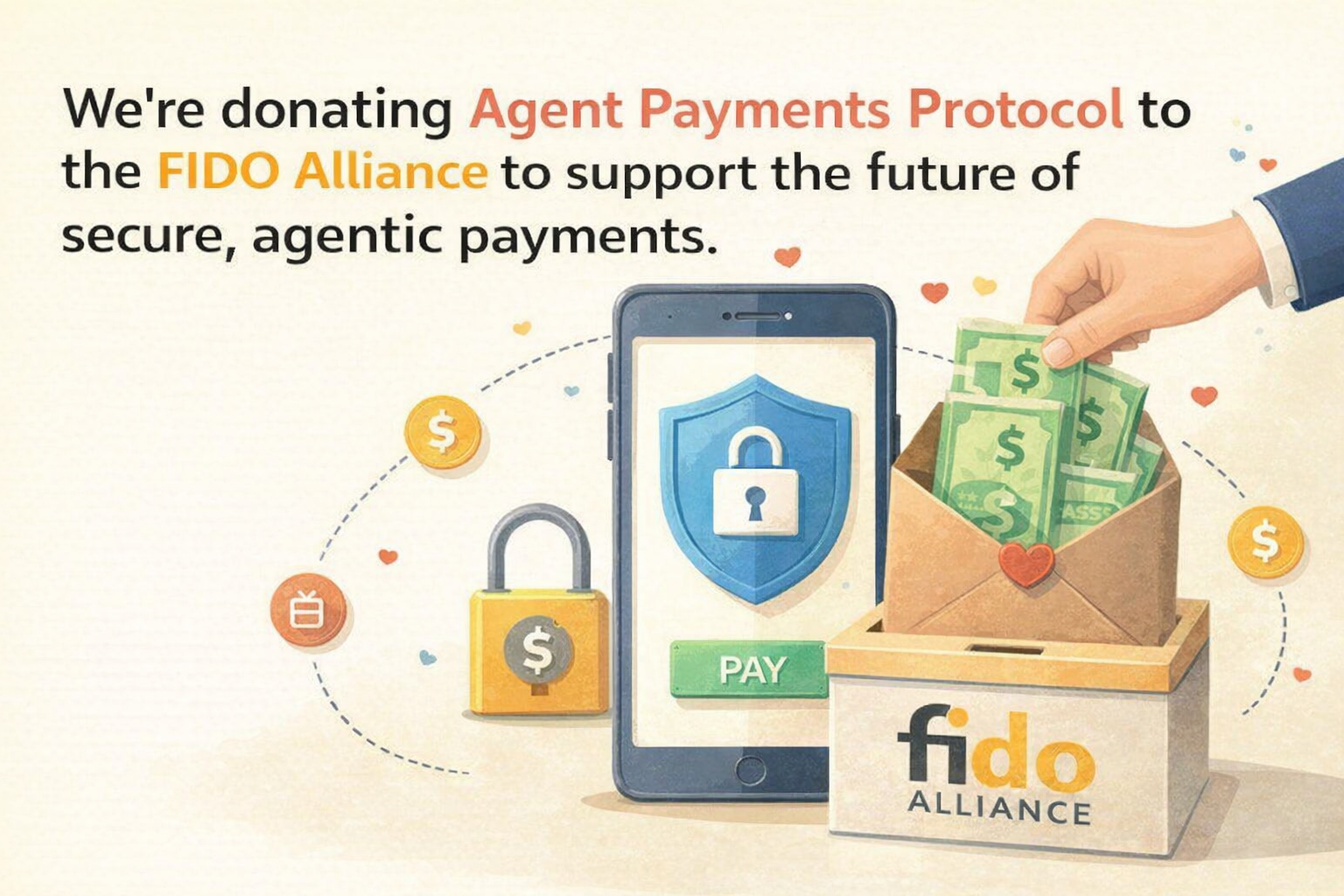
The future of artificial intelligence depends on trust, interoperability, and security?three principles that don't emerge from proprietary ecosystems built in isolation. That's precisely why Google's decision to donate the Agent Payments Protocol (AP2) to the FIDO Alliance represents a watershed moment in how we think about autonomous AI systems and their ability to conduct financial transactions on our behalf.
For years, the tech industry has grappled with a fundamental challenge: how do we enable intelligent agents to act autonomously in the real world while maintaining security, user control, and cross-platform compatibility? The answer, Google and its partners argue, isn't through walled gardens and proprietary standards. It's through open, industry-wide collaboration?the same approach that has accelerated innovation in fields ranging from web standards to cloud infrastructure.
What Is the Agent Payments Protocol, and Why Should You Care?
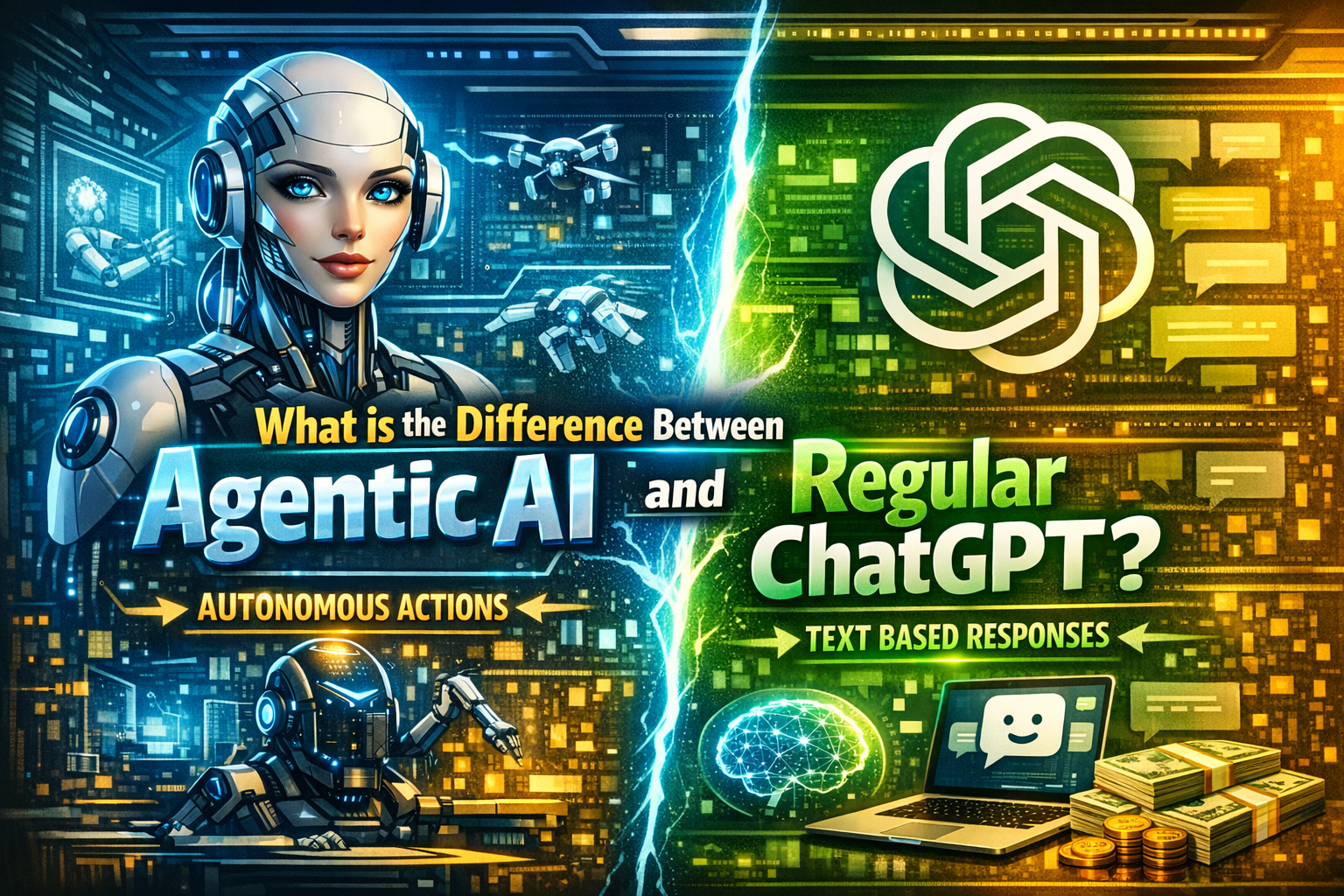
To understand the significance of AP2, you first need to grasp what agentic AI actually means in practical terms. Unlike ChatGPT or other conversational models that respond to human prompts, agentic systems are designed to operate independently, making decisions and taking actions on behalf of users within predefined parameters.
The Agent Payments Protocol essentially creates a secure framework for these autonomous agents to conduct financial transactions without real-time human intervention. Imagine an AI agent that monitors ticketing platforms and automatically purchases concert tickets the moment they go on sale?but only if you've pre-authorized it to do so. Or an autonomous system that negotiates supplier contracts, verifies pricing, and executes payments within a specified budget range. These scenarios, once purely theoretical, are now becoming practical realities.
AP2 v.0.2, released alongside the donation announcement, introduces a critical capability called "Human Not Present" payments. This feature allows pre-authorized agents to execute transactions independently, using what Google calls "Verifiable Intent"?essentially a cryptographically signed record that proves the user genuinely authorized the action beforehand.
The Risk of Fragmentation in Agentic Payments
Without standardized protocols, we'd face a fragmentation problem that echoes past technology wars. Imagine a future where different AI platforms use incompatible payment systems, where agents from one ecosystem can't transact on platforms built by competitors, and where every new integration requires custom development work. This isn't hypothetical?it's the natural evolution of any technology that companies see as strategically valuable.
Google's decision to hand AP2 to the FIDO Alliance?a neutral, industry-focused standards organization?signals something important: the company recognizes that agentic payments will only achieve meaningful scale if they operate across the entire technology landscape. This aligns with how multimodal AI systems are beginning to reshape technological capabilities across domains.
The FIDO Alliance isn't new to this role. The organization has successfully stewarded open standards for authentication and security, with major backing from companies like Google, Microsoft, Apple, and Amazon. By placing AP2 under FIDO's governance, Google is essentially saying: "This is too important to remain under single-company control."
Verifiable Intent: The Trust Layer We've Been Missing
The co-development of Verifiable Intent?created alongside Mastercard and also donated to FIDO?represents a genuinely novel contribution to payments infrastructure. In traditional e-commerce, you confirm transactions in real-time. With autonomous agents, that real-time confirmation is impossible by definition. So how do you prove the user genuinely authorized an action that occurred hours or days later?
Verifiable Intent creates a tamper-proof cryptographic log of user-authorized agent actions. It's similar to how blockchain technology creates immutable records, but purpose-built specifically for payment authorization and accountability. If an agent makes a questionable purchase, both the user and the platform can trace exactly what authorization was granted and under what conditions.
This matters because as AI becomes more autonomous, regulatory bodies will demand accountability mechanisms. The EU's AI Act, emerging regulations in Singapore and the UAE, and evolving frameworks elsewhere all require that automated decisions be explainable and auditable. Verifiable Intent provides exactly that infrastructure.
Platform-Agnostic Design: Why This Matters for Innovation
Google's insistence that AP2 remain "platform-agnostic and community-led" contains a lesson worth examining. When standards are truly open, they unlock innovation across the entire ecosystem?not just from the company that created them. Consider how open APIs revolutionized mobile app development, or how open-source foundations like the Linux Foundation have accelerated infrastructure innovation.
By donating AP2 to FIDO, Google is essentially saying: "We think this protocol is good enough to be industry-standard, and we're willing to let other companies improve it." This approach contrasts sharply with how some tech companies treat their innovations as competitive moats. Yet ironically, it may prove far more strategically valuable for Google, which benefits from a thriving ecosystem of AI applications and services.
This openness philosophy extends to how companies are thinking about building AI startups and leveraging AI automation tools. When foundational infrastructure is open and standardized, entrepreneurs can focus on application layer innovation rather than rebuilding core payment security.
Security Implications and the Human Authorization Problem
One legitimate concern about autonomous agent payments is security. If an agent can execute transactions without human presence, what prevents compromise? What if an attacker gains access to the agent's authorization credentials?
AP2 addresses this through several mechanisms. First, pre-authorization requires explicit human approval during setup?not in a rushed checkout flow, but as a deliberate policy decision. Second, Verifiable Intent creates an auditable trail. Third, the protocol includes limits on transaction amounts, frequency, and scope. An authorized agent might be able to purchase office supplies up to $500 monthly, but not execute million-dollar wire transfers.
These safeguards represent a meaningful security model?not perfect, but thoughtfully designed. They acknowledge that some automation is worth the security tradeoffs, provided those tradeoffs are explicit and reversible.
The Enterprise Opportunity and B2B Transformation
While consumer scenarios (like automatic concert ticket purchasing) grab headlines, the real economic impact likely emerges in B2B contexts. Imagine procurement systems where authorized AI agents continuously monitor supplier catalogs, evaluate pricing against predefined criteria, and execute orders within approved parameters. Or supply chain systems where agents negotiate with multiple suppliers simultaneously, securing optimal terms before human buyers even see the results.
These applications would unlock productivity gains that allow smaller teams to operate at enterprise scale. A single procurement manager, augmented by an autonomous agent operating under AP2 protocols, could handle transaction volumes that currently require teams of specialists.
Companies like Microsoft, with its enterprise-focused Copilot integration, are already positioning themselves to capture this value. AP2 standardization would accelerate adoption across platforms.
Industry Support and the Path Forward
The donation announcement mentions "growing support from leaders across the industry"?a significant point because standards only become truly valuable when they achieve broad adoption. Mastercard's collaborative involvement in Verifiable Intent development signals that financial services companies see genuine utility here. That endorsement carries weight.
What remains to be seen is how companies like OpenAI with GPT-5 capabilities and Meta's open-source Llama approach AP2 integration. Will they embrace the standard enthusiastically, or develop parallel approaches? Enthusiastic adoption would suggest the standards body has captured genuine value. Reluctant adoption would suggest missed opportunities.
Regulatory Alignment and Future-Proofing
An underappreciated aspect of donating AP2 to FIDO is how it positions the protocol relative to emerging regulation. Regulators trust neutral standards bodies more than they trust individual tech companies. By having AP2 managed by FIDO, compliance and regulatory teams worldwide are more likely to reference it when developing regional guidelines.
This matters for African businesses and emerging markets adopting AI technologies. When international standards exist and are managed neutrally, adoption becomes easier because regulatory frameworks can reference established protocols rather than requiring custom compliance engineering.
Conclusion: The Standardization of Autonomous Commerce
Google's donation of the Agent Payments Protocol to the FIDO Alliance signals a maturation in how the tech industry thinks about AI capabilities. Rather than treating agentic payments as a proprietary advantage, Google is treating it as foundational infrastructure that benefits everyone when standardized.
This approach recognizes a fundamental truth: as AI tools become more sophisticated and autonomous, their value multiplies when they can interoperate across platforms. Whether you're building consumer applications, enterprise solutions, or monetizing AI capabilities, standardized payment protocols make the entire ecosystem more valuable.
The real test comes next: whether AP2 actually achieves industry-wide adoption, and whether companies genuinely treat it as a platform-agnostic standard or merely a starting point for proprietary extensions. Time will tell, but the strategic move itself?letting go of control in pursuit of scale?suggests Google understands something crucial about how technologies achieve transformative impact.
```
💬 0 Comments
+ Leave a comment