
Claude Swarm Explained: How 5 AI Agents Replace Hours of Work
Most AI tools are slow because they rely on a single model. Platforms like ChatGPT, Claude AI, and Google Gemini operate sequentially.
Claude Swarm introduces a better approach: multi-agent systems.
What is Claude Swarm?
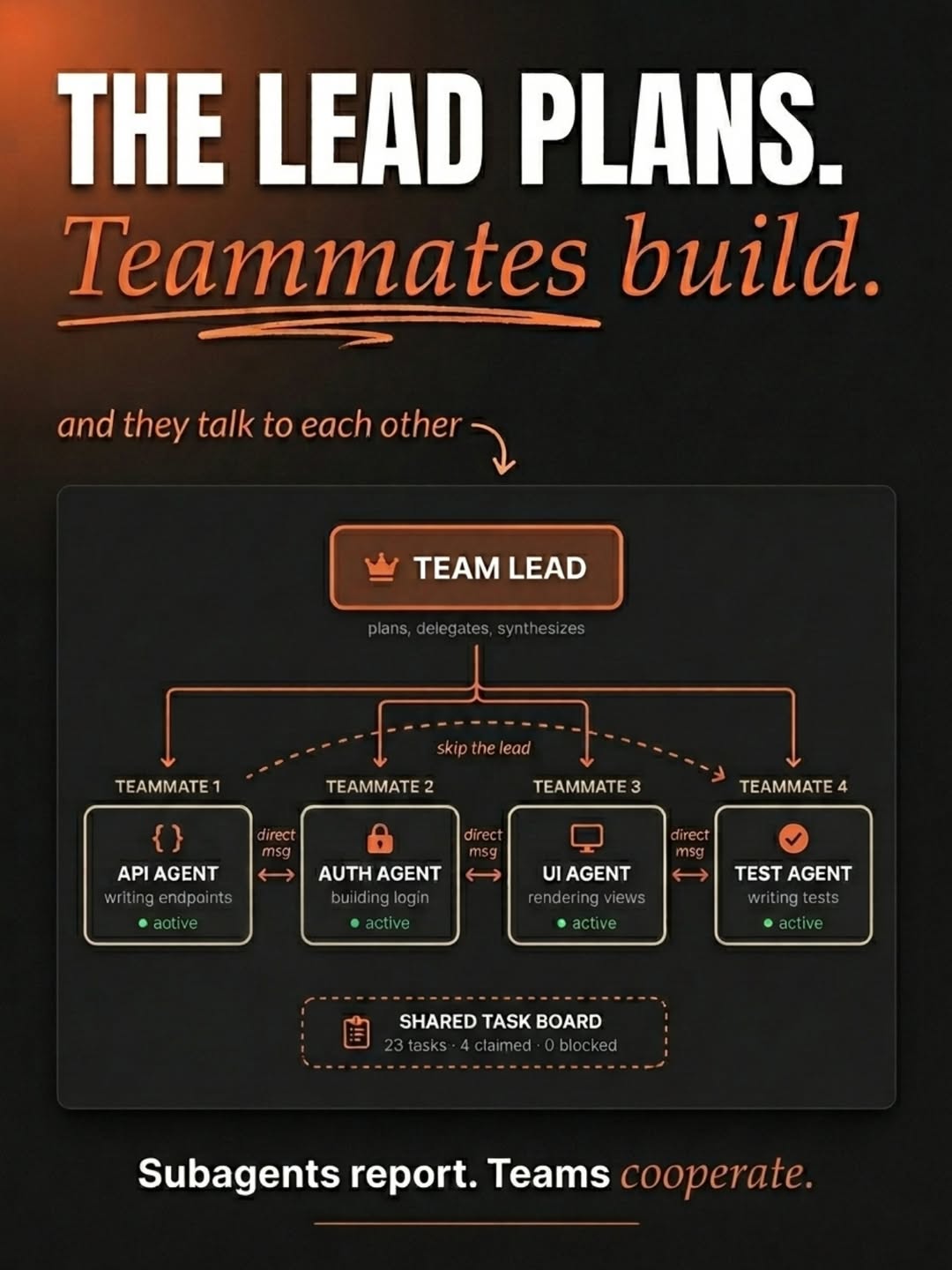
Claude Swarm is a system where multiple AI agents collaborate like a real team.
? 5 agents. one terminal. zero waiting. ?
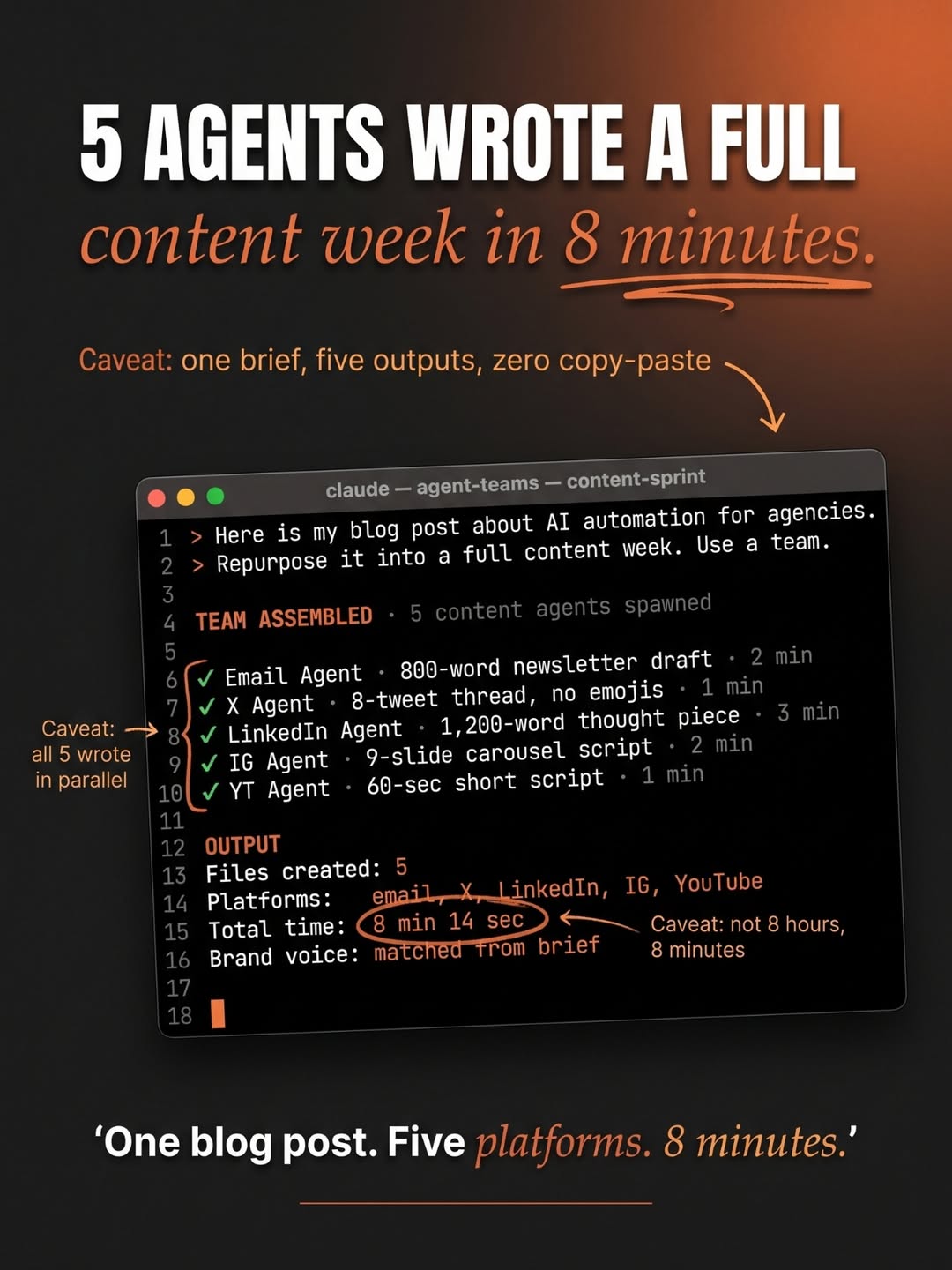
Specialized AI Agents (The Core System)
This architecture mirrors real-world engineering teams using tools like GitHub, Vercel, AWS, and Stripe.
API Agent
Handles backend logic and endpoints.
Auth Agent
Manages authentication systems like JWT and OAuth.
UI Agent
Builds user interfaces using frameworks like React.
Test Agent
Ensures reliability using testing frameworks like Jest.
Docs Agent
Generates documentation similar to tools like ReadMe.
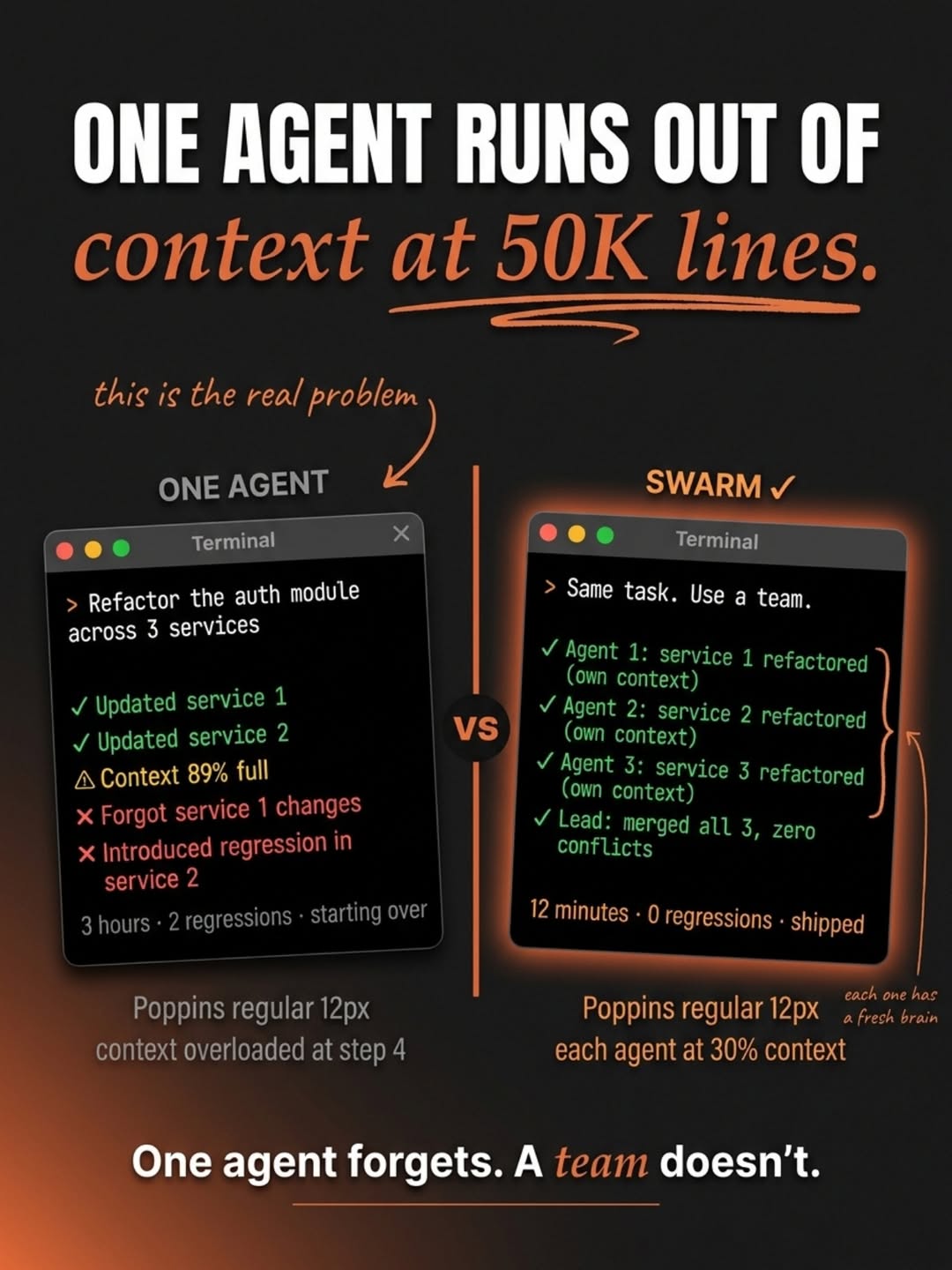
The Problem With Single-Agent AI
Single-agent systems break when scaling. Even tools built on OpenAI models face context limitations.
3 hours ? regressions ? failed output
With distributed agents, tasks are split efficiently?similar to microservices architecture.
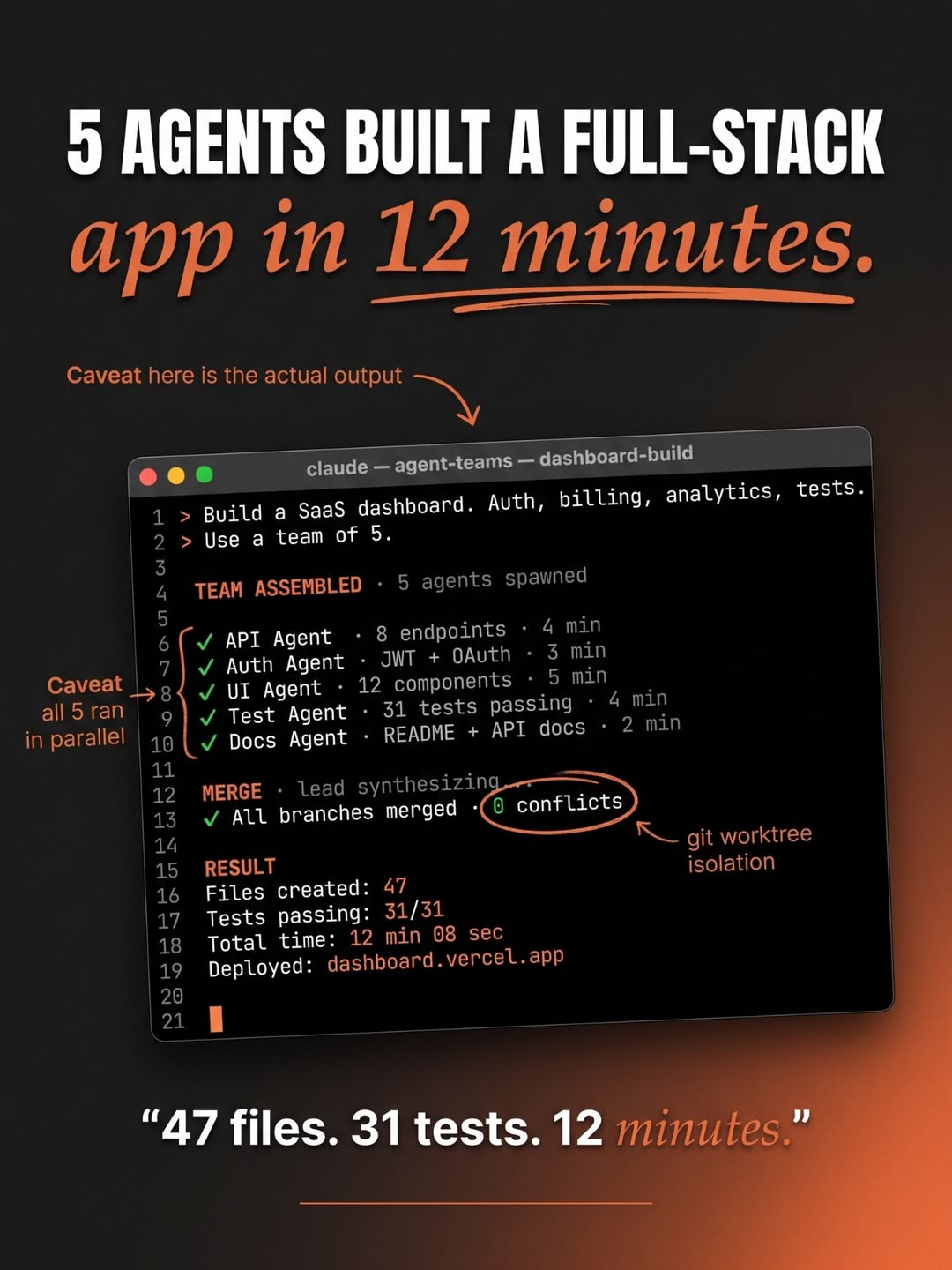
Building a Full-Stack App Faster
Instead of manually combining Node.js, Firebase, and Next.js, Claude Swarm handles everything in parallel.
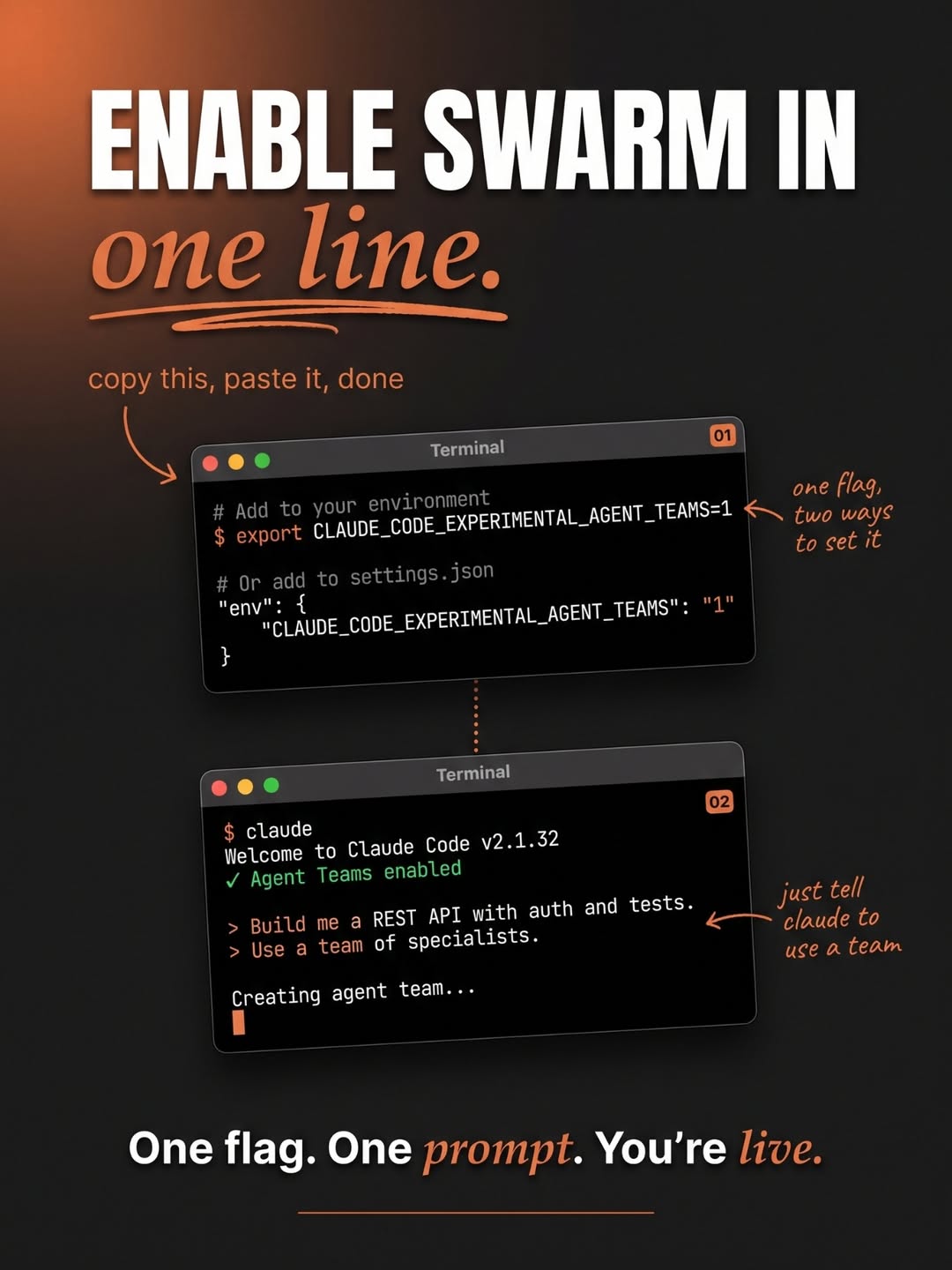
Client Onboarding Automation
Instead of juggling tools like Notion, Trello, and Slack, everything is generated instantly.
Why This Changes Everything
AI is shifting from single tools to collaborative systems. If you're serious about automation, this is the direction.


💬 0 Comments
+ Leave a comment