
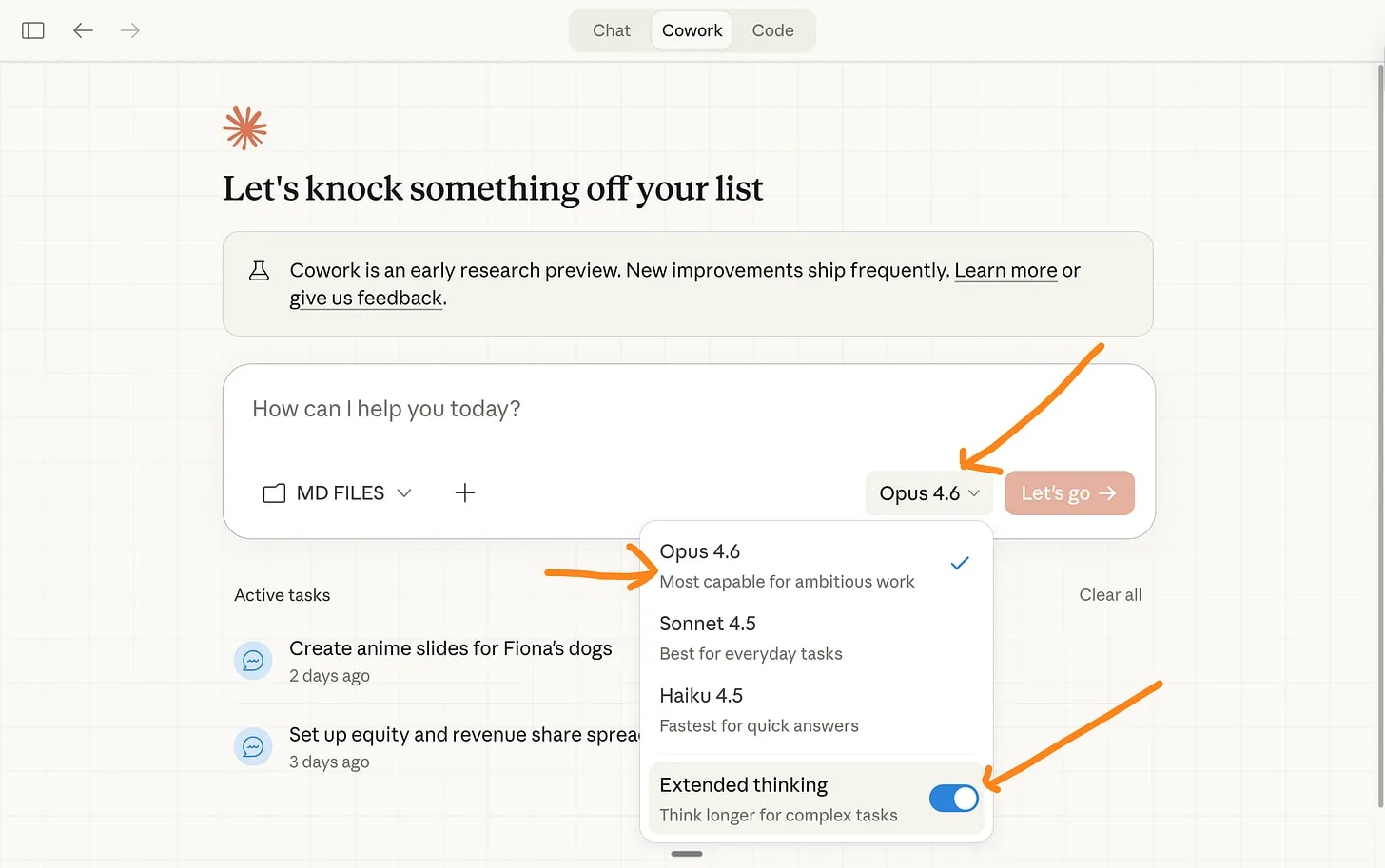
Claude, Anthropic's large language model, has quietly become one of the most capable AI systems available today?and it's forcing a serious reckoning about what AI assistants can actually do. While OpenAI Just Dropped GPT-5 ? And It Changes Everything We Thought We Knew About AI, Claude has been steadily gaining ground in real-world applications, with users reporting superior performance in writing, coding, reasoning, and analysis tasks. For anyone paying attention to the AI landscape in 2026, Claude represents a critical inflection point in how we think about AI capability and deployment.
What Makes Claude Different
Claude stands apart from its competitors through a deliberate architectural approach centered on safety, reliability, and practical utility. Anthropic, the company behind Claude, built the system with constitutional AI methods?essentially training the model to follow a set of principles that guide its behavior. This isn't just marketing speak. In head-to-head comparisons, Claude vs ChatGPT vs Gemini: I Used All Three for 30 Days. Here Is the Honest Verdict shows Claude consistently winning on nuanced reasoning tasks and long-form writing.
The model's 200,000-token context window?roughly equivalent to a 150,000-word document?allows it to process entire codebases, research papers, and complex documents in a single interaction. This has massive implications for professionals. A developer can upload an entire GitHub repository and ask Claude to refactor it, identify bugs, or explain architectural decisions. A researcher can feed an entire academic paper and get a comprehensive analysis. This capability compounds advantages in scenarios where understanding context matters most.
Claude in Professional Workflows
The real power of Claude emerges when professionals integrate it into actual workflows. In content creation, technical writing, and code review, Claude has become indispensable. The 8 AI Tools Every Content Creator Needs in 2026 (Ranked by Actual ROI) consistently ranks Claude near the top for serious writers who need more than surface-level assistance.
For freelancers and agencies, the decision between Claude and other platforms has become tactical. Claude vs ChatGPT for Proposals: Why Freelancers Are Switching in 2026 documents a clear migration pattern, with professionals citing Claude's superior ability to handle complex briefs, maintain coherent voice across documents, and produce work requiring fewer revisions.
Developers have found Claude particularly valuable for:
- Debugging complex code across multiple files and languages
- Generating boilerplate code with correct implementations
- Writing comprehensive documentation and technical specifications
- Conducting code reviews with specific architectural feedback
- Building and testing APIs with fewer iterations
The Business Case for Claude
For organizations looking to implement AI at scale, Claude presents a compelling cost-benefit equation. The model's accuracy on reasoning tasks means fewer iterations, fewer errors in production, and lower human review overhead. This directly impacts the economics of knowledge work.
Teams working on How to Build an AI Startup in 2026 Without Writing a Single Line of Code often discover that Claude becomes their primary development tool. Its ability to write production-ready code and explain technical concepts clearly makes it possible for non-technical founders to build functioning systems. Similarly, 10 AI Automation Tools That Will Replace Your Entire Workflow in 2026 includes Claude-powered automation as a cornerstone for teams replacing manual processes.
The financial advantage extends to SEO and content operations. How to Use AI to Dominate SEO in 2026 ? The Complete Playbook demonstrates how Claude's superior reasoning capabilities translate into better keyword analysis, content structure optimization, and competitive positioning.
Claude and the Broader AI Ecosystem
Claude doesn't exist in isolation. The Rise of Multimodal AI: Why Seeing, Hearing, and Reading Changes Everything shows that Claude is one piece of a larger transformation. Multimodal systems that combine text, image, and audio processing are becoming standard. Claude's text-focused architecture means it must integrate with image and audio systems for comprehensive AI solutions.
The competitive landscape has shifted. Why African Businesses That Ignore AI in 2026 Will Not Survive 2028 argues that organizations must make deliberate choices about which AI systems power their operations. Claude has become the choice for organizations prioritizing reasoning, reliability, and safety over raw speed or hype.
For those interested in the deeper mechanics, The Only Prompt Engineering Guide You Will Ever Need in 2026 covers how to extract maximum value from Claude through sophisticated prompting techniques.
The Strategic Reality
Claude represents something important that often gets lost in AI discourse: reliability matters more than frontier capabilities. An AI system that consistently delivers accurate, thoughtful responses to 95% of tasks is more valuable to most organizations than a system that occasionally achieves brilliant results but frequently fails or hallucinates.
Claude's value isn't in doing something AI hasn't done before. Its value is in doing what matters consistently, safely, and with fewer errors than alternatives.
This explains why How to Make $5,000/Month Using AI Tools ? The Honest Guide frequently features Claude-based approaches. The system's reliability allows professionals to build sustainable business models around it, rather than building house-of-cards operations reliant on AI behaving perfectly.
As the AI landscape matures, expect Claude's influence to deepen rather than fade. Organizations serious about sustainable AI integration should be evaluating Claude seriously, understanding both its capabilities and limitations, and determining where it fits in their broader technology stack. The conversation isn't about whether Claude is "the best"?it's about being honest about what Claude does exceptionally well and building systems around those strengths. That's the kind of strategic thinking that separates AI adopters who create lasting value from those who chase novelty.
```


💬 0 Comments
+ Leave a comment